Drone strike disrupts Dubai flights as Iran continues Gulf attacks
Iran has sought to justify its attacks on Gulf countries, hitting civilian infrastructure as well as US assets.

Share
Save
The United Arab Emirates (UAE) has announced diversion of some flights from the Dubai international airport, one of the world’s busiest, after a drone attack sparked a fire near the facility, as Bahrain, Kuwait, Qatar and Saudi Arabia also reported intercepting drones and missiles.
The Dubai Media Office on Monday said civil defence teams had “successfully contained the fire resulting from impact to one of the fuel tanks in the vicinity” of the airport, noting that no injuries had been reported so far.
Recommended Stories
- list 1 of 3Trump says ‘many countries’ will send warships to Hormuz amid Iran blockade
- list 2 of 3Iran war: What is happening on day 16 of US-Israel attacks?
- list 3 of 3How Trump’s unchecked power has changed the world
Some flights were diverted to Al Maktoum international airport, the office said on X.
The Dubai Civil Aviation Authority, meanwhile, said it was temporarily suspending flights at the airport “as a precautionary measure to ensure the safety of all passengers and staff”. It did not say when they expected flights to resume.
Authorities in Abu Dhabi, the capital of the UAE, are responding to “an incident involving a missile falling on a civilian vehicle in Al Bahyan area”, according to the city’s media office. The incident resulted “in one casualty of Palestinian nationality”, it said in a post on X.
The incident comes days after the city media office said two falling drones wounded four people near the airport on Wednesday.
The UAE’s Ministry of Defence has reported six deaths since the war began on February 28, including four civilians and two military personnel, who died in a helicopter crash blamed on a technical malfunction.
Iran justifies the attacks
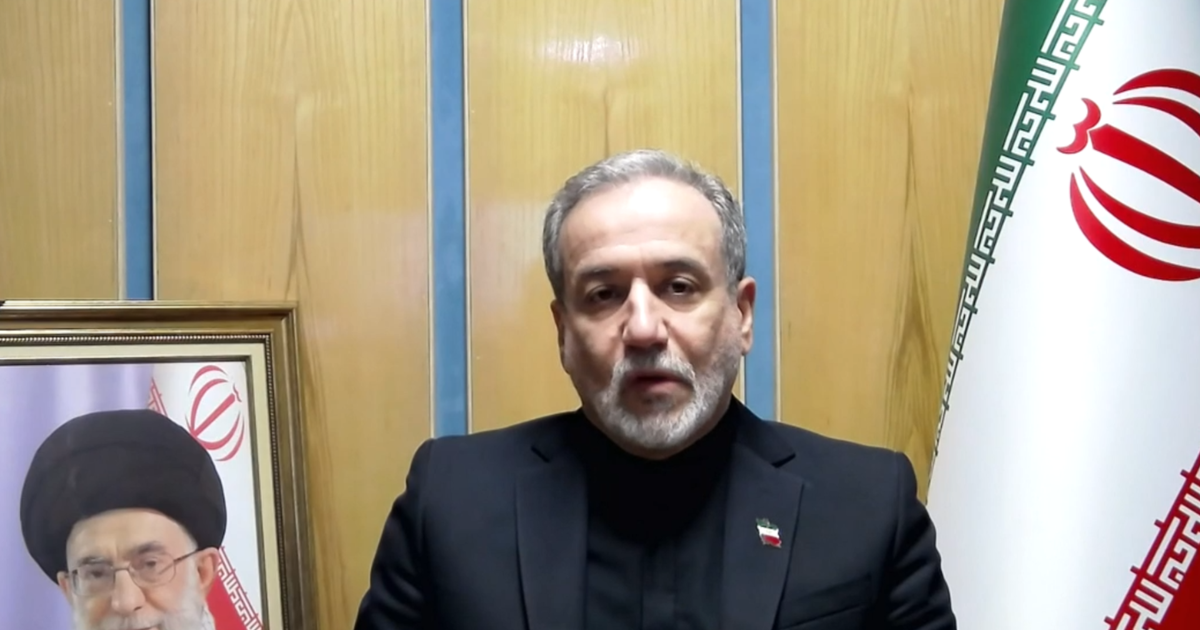
Iran has sought to justify its attacks on Gulf countries by arguing that the presence of US military bases on their soil makes those states legitimate targets, after Israel and the US launched joint air strikes on Tehran on February 28.
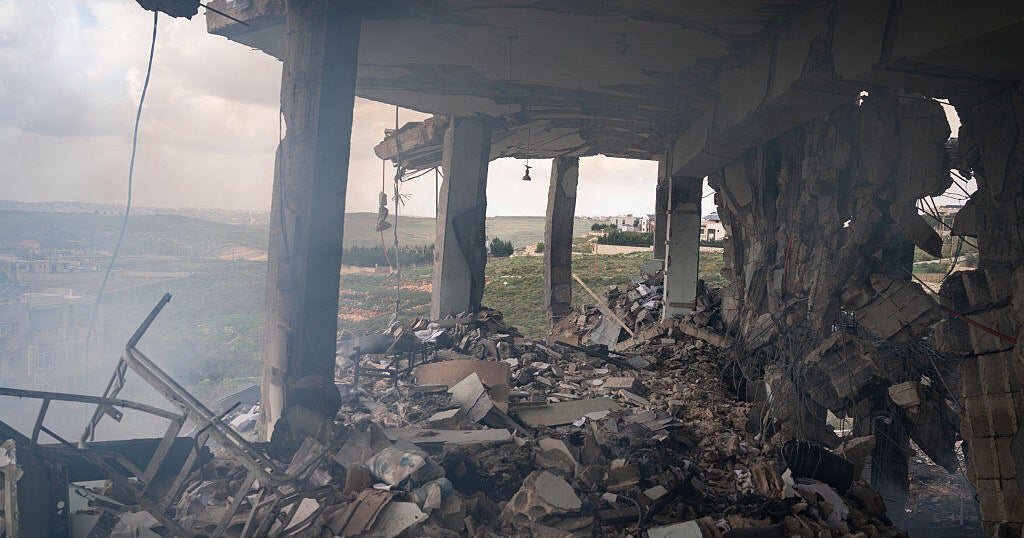
However, civilian infrastructure has also been hit, including landmarks, airports, ports and oil facilities across the Gulf.
The UAE, which normalised relations with Israel in 2020, has faced the brunt of the attacks.
Iran has fired more than 1,800 missiles and drones at the UAE, more than any other country targeted by Tehran in the conflict, upending travel plans in the financial hub despite its air defence intercepting a vast majority of the projectiles.
All Gulf Arab states have been affected, reporting more than 2,000 missile and drone attacks since the war began, and have condemned Iran.
In a phone call on Monday, UAE President Sheikh Mohamed bin Zayed Al Nahyan and Saudi Arabian Crown Prince Mohammed bin Salman condemned the “sinful Iranian attacks” on the Gulf Cooperation Council (GCC) countries and affirmed their intention to defend their territories.
The GCC, along with the United Kingdom and Jordan, issued a joint statement condemning Iranian aggression and calling for de-escalation.
The Saudi Ministry of Defence on Monday announced that it intercepted three waves of drones in the country’s east. It said 12 drones were destroyed in the latest wave, while six were shot down before that. Another five were intercepted earlier.
The report comes after the ministry reported that it had intercepted 37 drones in the early hours of the morning.
Attacks were also reported in Qatar on Sunday night, with its Defence Ministry saying all the drones in its airspace were intercepted.
Kuwait’s international airport was also struck, with radar equipment damaged, though Iran denied responsibility for those attacks.
Meanwhile, more strikes were reported in Iran’s capital, Tehran, after Israel announced it had launched a new wave of attacks.
Al Jazeera’s Mohamed Vall said the strikes were “some of the strongest we have seen so far”.
“The Iranians are watching and are very much concerned, with over three million people already displaced from their homes due to the intense bombardments,” he said.
Nearly 1,500 civilians have already been reported killed in Iran.
The Iranian Red Crescent Society said the latest air raids on Tehran damaged one of its clinics and an aid relief post. Footage posted online by the group showed broken glass and damaged equipment strewn on the floor.
Several hospitals and other health facilities have been damaged by strikes across Iran since the US-Israel attacks began.
"All the Empty Rooms" wins Oscar for Steve Hartman's project memorializing children killed in school shootings
March 15, 2026 / 10:49 PM EDT / CBS News
The documentary "All the Empty Rooms," which memorialized children killed in school shootings through a look at the bedrooms they never returned to, took home the Oscar for Best Documentary Short at the 98th Academy Awards on Sunday.
The film follows CBS News correspondent Steve Hartman and photographer Lou Bopp along their seven-year journey to document the toll of America's school shooting epidemic. Director Joshua Seftel accepted the Oscar on stage alongside Hartman, producer Conall Jones and Gloria Cazares, whose daughter Jackie was killed in the Uvalde school shooting in 2022.
"The four empty rooms in our film belonged to four young children who were all killed in school shootings: Hallie, Gracie, Dominic and Jackie," Seftel told the crowd before passing the mic to Cazares.
Wearing red dress and a pin with an image of Jackie, Cazares spoke of her 9-year-old daughter and appealed for an end to gun violence.
"Since that day, her bedroom has been frozen in time," Cazares said. "Jackie is more than just a headline. She is our light and our life. Gun violence is now the number one cause of death in kids and teens. We believe that if the world could see their empty bedrooms, we'd be a different America."
When Hartman traveled to Uvalde, Texas, where a gunman killed 19 children and two teachers at Robb Elementary School, Cazares told him that people are always telling her that they can't imagine what she's going through. But she said we need to imagine, and that's why she invited Hartman and Bopp into her home.
"It just makes everything more real for the public, for the world," Carazes said at the time. "Her room completely just speaks of who she was."
In Jackie's room, there was the chocolate she had saved for a day that never came, and an "About Me" chalkboard where she wrote that she wanted to be a veterinarian when she grew up.
Many of the children's rooms, like Jackie's, remained virtually untouched, years after the shootings.
"Their personalities shone through in the smallest details of their untouched rooms — hair ties on a doorknob, a toothpaste tube left uncapped, a ripped ticket for a school event — allowing me to uncover glimpses as to who they were," Bopp said in an essay about the project in 2024.
Explore the rooms:
Unmade beds and overdue books: Photographing the rooms of kids killed in school shootings
More from CBS "Sunday Morning":
Standing on the threshold of grief, documenting the bedrooms of kids killed in school shootings